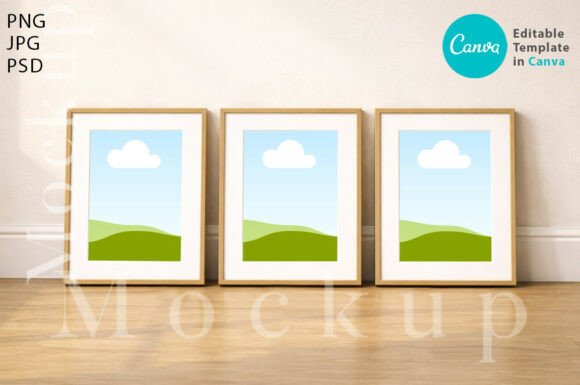
3 Wooden Vertical Frame Canva Mockup: Effortless Elegance
When you're building a brand or launching a marketing campaign, the gap between a good idea and a professional presentation often comes down to the details. You might have the perfect photograph or digital artwork, but displaying it on a generic white background can strip away the context and warmth that makes it relatable. This is where the right design assets become essential. The 3 Wooden Vertical Frame Canva Mockup is a specific tool designed to bridge that gap, offering a way to present your work within a setting that feels both modern and organic. It’s not just about showing an image; it’s about telling a story of where that image lives, whether on a sunlit wall in a minimalist studio or as part of a curated gallery in a home. This mockup set provides that context with a clean, light-wood aesthetic that complements rather than competes with your content.
The Visual Character of Light-Wood Framing
The personality of this mockup is rooted in its modern thin light-wood frame. Unlike heavier, ornate frames that can feel traditional or formal, the thin profile here communicates a sense of contemporary simplicity and intentionality. The light wood tone—think pale birch, natural ash, or a soft maple—adds a layer of warmth and texture that pure white or black frames often lack. This creates a versatile backdrop that feels at home in a variety of settings, from a Scandinavian-inspired living room to a clean, professional office space. The overall appeal is one of understated sophistication. It suggests thoughtfulness and quality without shouting for attention, allowing your artwork, photography, or typography to remain the undisputed focal point. The vertical orientation is particularly suited for portraits, quotes, fashion editorials, or any content where height and a certain elegance are desired.
This isn't just a static image; it's a dynamic Canva template. The smart object functionality in the included PSD file, combined with the direct Canva link, means you can see your work inside the frame in seconds. This practicality is a huge advantage for busy creators. You're not just buying a picture of a frame; you're investing in a reusable design system that speeds up your workflow while elevating your output. The high resolution (3000 x 2400 px) ensures your mockups will look crisp whether they're used for a website banner, a social media post, or a printed portfolio. The transparent background PNG file is another critical asset, giving you the freedom to place your framed artwork onto any custom background scene you can imagine, offering limitless creative control.
Where This Mockup Truly Shines: Applications and Context
Understanding where a design asset works best is key to using it effectively. The 3 Wooden Vertical Frame Canva Mockup excels in projects where you need to convey a blend of professionalism and approachable warmth. For brand identity and logo design, it’s an excellent way to present a brand mark in a lifestyle context. Imagine showing a client how their new logo would look on a wall in a boutique hotel lobby or a cozy café—it instantly communicates real-world application and emotional resonance. For editorial design and publishing, bloggers and online magazine creators can use it to mock up article headers, featured images, or promotional graphics for new issues, adding a tactile, curated feel to digital pages.
Entrepreneurs and small business owners, particularly in the home décor, fashion, or lifestyle spaces, will find this mockup invaluable for packaging design previews and social media graphics. A product shot of a new candle or piece of jewelry, framed within this light-wood setting, tells a richer story about the brand's aesthetic and target audience. It helps build a cohesive visual narrative across Instagram, Pinterest, and website galleries. For web design, using these mockups in case studies or portfolio sections can make your past projects look more immersive and impressive. The style is neutral enough to work for both commercial font applications—like displaying a licensing agreement in a visually appealing way—and personal projects, such as framing a family photo for a holiday card.
Practical Guidance: Integrating This Asset Into Your Workflow
Choosing the right mockup, like choosing the right typeface, requires a bit of evaluation. First, consider the mood of your project. The light wood frame is modern and airy, so it pairs best with content that shares those qualities. It might not be the ideal match for a grunge music poster or a heavy metal album cover, but it’s perfect for a wellness brand, a tech startup with a human-centric approach, or an art print shop. Before you commit, test the mockup with a representative piece of your work. Use the Canva link or PSD file to drop in your image. Does the color palette of your design clash with the wood tone? Does the style of your artwork feel harmonious within the frame's simplicity? This quick test can save you time and ensure a perfect fit.
When it comes to font pairing, think about how your typography interacts with the framed image. If you’re creating a social media post, the text you overlay shouldn’t fight with the framed content. A clean sans serif font often works beautifully alongside this mockup, maintaining the modern and readable aesthetic. If your framed piece itself contains text—like a motivational quote—ensure the display font or script font you choose is legible at the size it will appear in the mockup. The value of this set lies in its flexibility as a premium font—or rather, a premium design asset. It’s a creative font in the sense that it gives you a creative framework. Always review what’s included: the Canva template, JPG, PNG, and PSD files cover nearly every possible use case, from quick social posts to detailed print-ready compositions. The transparent background is your best friend for advanced compositing.
Ultimately, the goal of any design asset is to enhance your work and communicate more effectively. The 3 Wooden Vertical Frame Canva Mockup does this by providing a reliable, aesthetically pleasing context that elevates your visuals. It helps with visual hierarchy by giving your content a defined boundary, improves brand perception through consistent and professional presentation, and boosts audience engagement by making your imagery more relatable and polished. By integrating it thoughtfully, you’re not just decorating your content; you’re strengthening your visual communication and building a more recognizable and trustworthy brand presence.