Simplify Payroll: Your Essential Employee Pay Stub Guide
For any small business owner, freelancer, or HR manager, the end of a pay period can feel like a race against the clock. You’re juggling calculations, tax withholdings, and the need for clear communication with your team. The core of that communication is the Employee Pay Stub, a document that does more than just list numbers—it builds trust and ensures everyone is on the same page. Getting your Employee Payroll process right from the start is a foundational step toward a professional, organized operation. A well-designed pay stub template transforms this administrative task from a source of stress into a streamlined, branded touchpoint.
The Anatomy of a Clear Earnings Statement
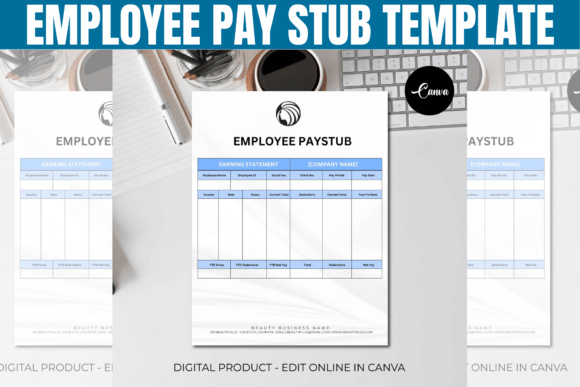
A pay stub, also known as an earnings statement or check stub, is a detailed breakdown of an employee’s earnings for a specific pay period. Its visual design should prioritize clarity above all else. Think of it like a well-organized data sheet or a clean infographic: information needs to be scannable, logically grouped, and easy to understand at a glance. A professional template achieves this through a structured layout that typically includes distinct sections for employee and employer information, pay period dates, and a clear summary.
The core of the document is the earnings and deductions ledger. Here, visual hierarchy is crucial. Gross pay, taxes, insurance premiums, retirement contributions, and other deductions should be itemized clearly, leading the eye down to the final, most important figure: the net pay. Year-to-date (YTD) totals for each category provide essential context, helping employees track their annual financial picture. This isn't just about numbers; it's about creating a brand identity touchpoint. A clean, professional Employee Pay Stub reinforces your company’s credibility with every paycheck, whether it’s a physical printout or a digital PDF.
Where a Template Fits Into Your Workflow
The real power of a dedicated template lies in its versatility across different payroll scenarios. Whether you’re issuing a bi-weekly paystub for your full-time staff, a weekly check for a contractor, or a monthly statement for a part-time employee, the right template adapts. This adaptability makes it an invaluable design asset for a growing business. It’s not just for internal use; freelancers can use a polished, editable pay stub to provide clients with a transparent record of project-based earnings, much like a professional invoice.
Consider its application beyond basic salary. A template can be modified to include fields for overtime, commissions, bonuses, or reimbursements, ensuring all compensation is documented accurately. For businesses using Canva or similar design platforms, the ability to customize fonts, colors, and add a company logo is a game-changer. This transforms a generic form into an extension of your brand identity. The same visual language used on your invoices and receipts can be carried through to your payroll documents, creating a cohesive and professional experience for everyone you work with.
Practical Tips for Implementation and Customization
When selecting or setting up your Employee Payroll template, start with functionality. Does it have all the mandatory fields for your state or country? Is it easy to update the pay rate, hours, and deduction amounts? Once the structural integrity is confirmed, focus on the aesthetic and communicative aspects. Choose a clear, legible sans-serif font for the numerical data—readability is non-negotiable here. You might pair it with a slightly more distinctive serif font or a clean sans-serif for headings to inject a bit of personality without sacrificing clarity.
Test the template’s output rigorously. Generate a PDF and print it. Does the layout hold up on paper? Are the margins appropriate? If you plan to email stubs, ensure the digital file is compact and displays correctly on various devices. Remember, this document is a key piece of your internal and external communications strategy. A sloppy or confusing pay stub can lead to unnecessary questions and erode confidence, while a clear, professional one fosters transparency and trust. By investing a little time in setting up a robust, customizable template, you’re not just organizing paperwork—you’re building a more efficient and reputable business foundation.